

In the dynamic and multicultural environment of Hong Kong, which is distinguished by cultural diversity and an abundance of chances, international education is a shining example of both academic brilliance and all-around development.
In the world of prestigious universities reshaping education, creating a dynamic and stimulating learning environment that goes beyond conventional educational paradigms is highly valued. In addition to offering demanding academic programmes, these institutions work to develop a wider range of abilities and experiences in their students to better prepare them for the difficulties of a globalized society.
Located in the centre of Hong Kong’s international education scene, schools such as Harrow International School are prime examples of their commitment to academic quality and modern pedagogical methods. By carefully crafting their curricula, these schools demonstrate their dedication to creating a vibrant and stimulating learning environment.
In order to guarantee that students obtain a well-rounded and globally-minded education, a group of highly qualified educators adds even more value to the educational experience.
The extensive range of extracurricular activities available in Hong Kong’s international education is indicative of the city’s dedication to academic quality, as are the demanding academic programmes.
These pursuits transcend conventional limits and have the explicit purpose of moulding well-rounded people. The goal is to provide students with a broad range of life skills that are necessary for success in a variety of spheres of life, in addition to academic prowess.
Diverse Extracurricular Offerings Fostering Holistic Growth
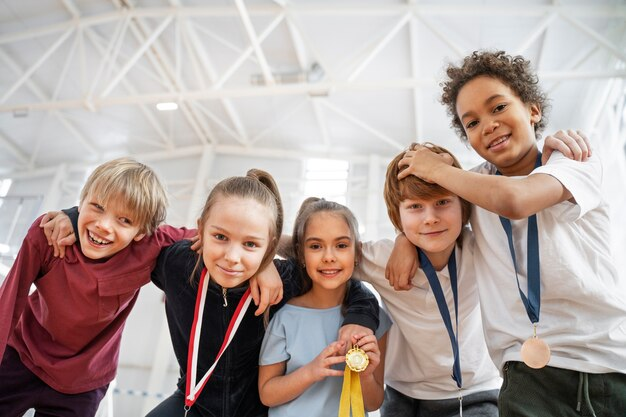
In recognizing the importance of holistic development, international schools in Hong Kong go above and beyond by providing an extensive array of extracurricular activities. From sports and arts to leadership initiatives, students are encouraged to explore and excel in areas beyond the academic realm.
Engaging in sports such as football, basketball, swimming, cricket, and athletics not only promotes physical well-being but also instills teamwork, discipline, and resilience – vital qualities for navigating life’s challenges.
Additionally, these institutions prioritize the development of artistic and cultural endeavors in fields like music, theatre, dance, and visual arts. These exercises are vital for developing students’ creative abilities and for improving their critical thinking and decision-making abilities, even beyond the realm of simple artistic expression.
The general goal is clear: foreign schools in Hong Kong are committed to fostering an atmosphere in which learners can identify and develop their special talents, providing a strong basis for both academic success and personal fulfillment.
These educational institutions acknowledge the inherent worth of developing well-rounded people who are prepared to face the difficulties of a diverse and ever-changing world by adopting a holistic approach to teaching.
Clubs, Societies, and Leadership Opportunities
The educational experience in Hong Kong’s international schools includes a complex tapestry of clubs and societies created to meet the many interests of students, going beyond standard classroom settings. These extracurricular activities give students a platform to investigate and participate in their particular areas of passion.
Examples include language societies, debating groups, scientific studies, and environmental projects. This wide range of options fosters critical thinking abilities and allows students to think outside the box of academia in addition to facilitating the expansion of information. In the end, varied extracurricular activities are crucial in moulding well-rounded people and greatly influence the development of a person’s whole personality.
Leadership Development and Community Engagement
Leadership development plays a significant role in extracurricular activities since schools provide ample opportunity for students to showcase their leadership abilities.
Student leadership positions in clubs and societies, student councils, and house leadership roles are all excellent avenues for students to develop and hone their leadership abilities.
Students that actively participate in these jobs not only acquire real-world experience but also get ready for the obstacles they will probably face in their future endeavours.
Active citizenship is included in the extracurricular programme at international schools through community service projects. Students actively participate in a wide range of fundraising events, environmental projects, and charity endeavors, developing a strong sense of social responsibility and empathy.
Students gain a greater understanding of their roles in the larger global community through these experiences, in addition to making positive contributions to their local community.
Conclusion
In summary, the advantages of studying abroad in Hong Kong extend beyond the classroom, creating a diverse range of extracurricular opportunities that are essential to the overall development of students.
These educational establishments are committed to fostering an atmosphere that allows students to pursue their passions and succeed, developing into well-rounded individuals capable of navigating the intricacies of the global scene. International schools in Hong Kong are dedicated to developing ethical, compassionate, and globally-aware citizens in addition to producing outstanding students.
This is demonstrated by the wide range of programmes they offer. By doing this, these educational institutions play a vital role in moulding people into socially conscious, academically capable, and ready for a diverse and globalized society.